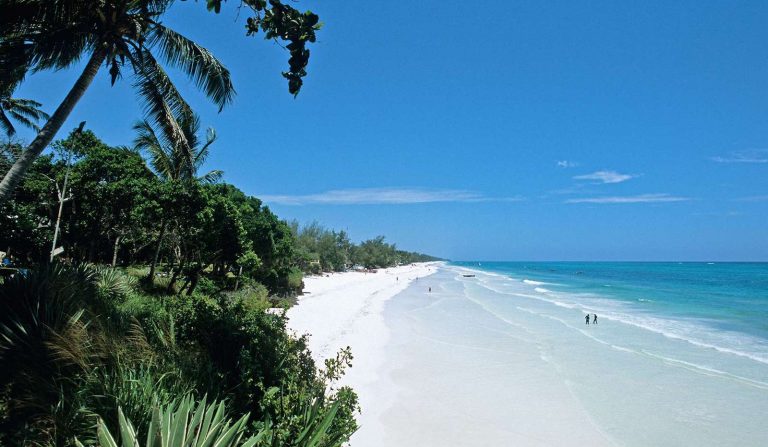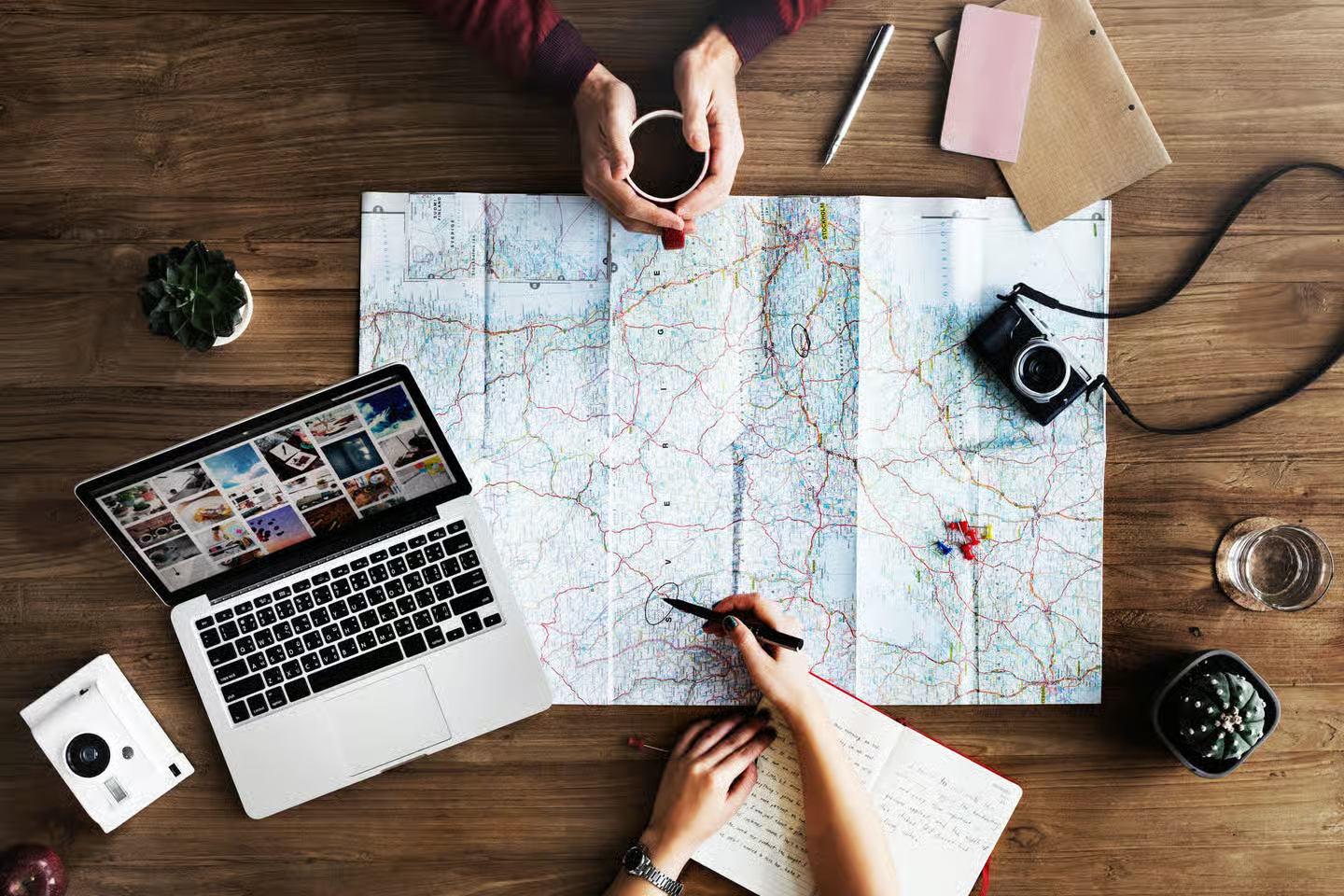
Kenya Safari Map Is Built For Self-Planning Travelers.
Instead of jumping straight into bookings, this site helps you first understand how Kenya actually fits together — safari regions, distances, transport options, and the trade-offs that matter when you’re moving between places.
Start with the map. Turn layers on and off, explore routes, and use it to shape a realistic itinerary before locking anything in.
Tip: Open the Layers menu (top-left of the map) to toggle regions, parks & conservancies, balloon operators, airports & airstrips, the SGR rail line, and key towns/border crossings.
Kenya Travel Tips For Planning A Safari
These practical Kenya travel tips are written for independent travelers planning their own safari. They focus on regions, transport, pacing, and decision order — the things that most affect how a safari actually feels on the ground.
Safaris in Kenya are often planned around a single safari vehicle and driver who collect guests at the airport and remain with them for the entire trip. While this works well for many travellers, self-planners often prefer a more flexible, modular approach.
Using Uber or Bolt for city travel, the Madaraka Express (SGR) for longer distances, and arranging safari vehicles only for the safari portions of the journey can be more convenient, more comfortable, and often more cost-effective. Thinking about transport first makes it clearer which regions fit naturally into your route — and helps avoid long, tiring transfers later.
Different parts of Kenya suit different travel styles. Trips combining beach, mountain views, and safari often work best in eastern Kenya, where regions are closer together and easier to connect by road, rail, or short flights. The Great Migration in western Kenya takes place during a relatively short season each year and typically involves longer distances and more limited transportation options.
Safari travel is more tiring than it looks on a map. Long drives, early mornings, and game viewing add up quickly. Most travelers enjoy a safari area far more by staying three to four nights in one place.
Once you’ve decided how far you want to travel and how you’ll move between regions — road, air, or rail — choosing accommodation becomes much easier. Kenya has a wide range of lodges and camps in every safari area.
International Airports: Nairobi & Mombasa
Most international travellers arrive in Kenya via Jomo Kenyatta International Airport (NBO) in Nairobi. This is the country’s primary international gateway, with direct connections from Europe, the Middle East, North America, and across Africa. Nairobi is often used as a first stop before continuing on safari by road, air, or train.
Jomo Kenyatta International Airport (official) →
Some travellers begin their journey on the coast and arrive via Moi International Airport (MBA) in Mombasa, which also serves international flights, particularly from Europe and the Middle East. This is a convenient entry point if your itinerary includes Kenya’s beaches before heading inland.
Connecting Onward: Road, Rail & Domestic Flights
From Nairobi or Mombasa, travellers can continue deeper into Kenya in several ways:
Domestic flights & Wilson Airport
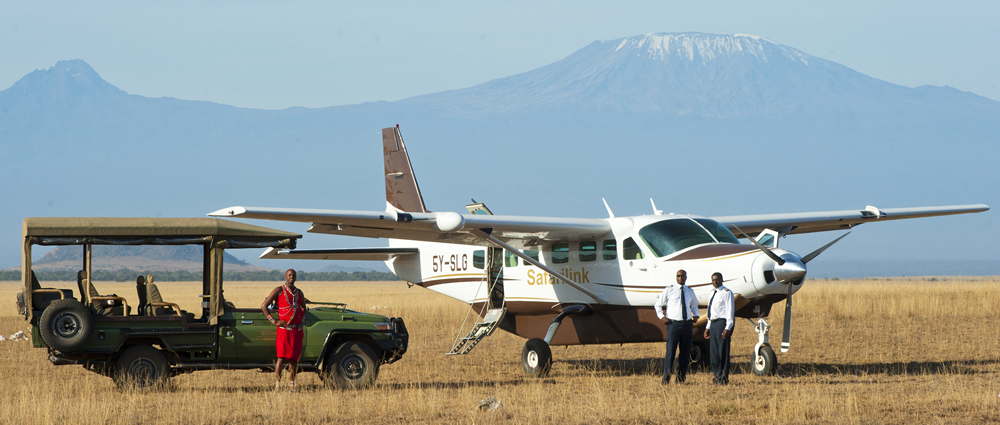
Nairobi’s Wilson Airport (WIL) is the main hub for domestic and regional safari flights. If you are flying by light aircraft to Amboseli Airstrip, your flight will almost always depart from Wilson.
- SafariLink – https://www.flysafarilink.com
- AirKenya – https://airkenya.com
Madaraka Express (SGR Train)
The Madaraka Express is a modern, comfortable train connecting Nairobi and Mombasa, offering an alternative to flying or driving between the two cities.
Madaraka Express (SGR) tickets →
Visas, Immigration & Customs
Kenya uses an online Electronic Travel Authorisation (eTA) system for many nationalities. Requirements vary, so travellers should always check the official government website before departure.
On arrival, you will:
- Clear immigration
- Collect your luggage
- Pass through customs
- Enter the arrivals hall
Currency, Payments & how to pay in Kenya
Kenyan shillings (KES)
Kenya’s official currency is the Kenyan Shilling (KES). Prices are always quoted in KES. ATMs are widely available at international airports, in Nairobi, and in major towns. While cash is still used in some situations, most travellers rely heavily on digital payments once in Kenya.
M-PESA (mobile payments)
You will often hear people say “pay by M-PESA.” This does not mean a different currency. The money is still Kenyan Shillings (KES). M-PESA is simply the digital payment system used to send and receive KES.
For visitors, using M-PESA usually requires buying a local SIM card and registering an account. Once set up, it is widely accepted and especially practical for tipping and for paying guides, drivers, porters, and small local businesses without needing exact cash.
Paying in KES via M-PESA using Bitcoin (Tando)

Tando lets you pay in Kenyan Shillings (KES) via M-PESA without opening an M-PESA account and without handling cash. You pay in Bitcoin on your side; the recipient receives KES via M-PESA. Tando acts as the bridge, making everyday payments and tipping simple while using the local payment system.
Credit & debit cards
Visa and Mastercard are widely accepted at established hotels, lodges, safari operators, and many restaurants. American Express acceptance is more limited, and some businesses add processing fees. Cards work well as a backup, but M-PESA-based payments are often faster and preferred locally.
SIM Cards, eSIMs & Connectivity
Local mobile providers have desks at major airports, making it easy to purchase a physical SIM card with data on arrival. Wi-Fi is widely available at hotels and many restaurants, but mobile data is extremely useful for navigation, messaging, and transport apps.
Many travellers now prefer eSIMs, which can be purchased before travel and activated once you arrive in Kenya. Popular options include:
- Airalo – https://www.airalo.com
- Nomad – https://www.getnomad.app
- Holafly – https://esim.holafly.com
Airport Transfers, Taxis & Getting Around
Many hotels and lodges offer pre-arranged airport transfers, which are recommended for first-time visitors. Reputable ride-hailing services also operate directly from both Nairobi and Mombasa airports:
-
 – widely used and reliable
-
 – often slightly cheaper and equally popular
As with any major city, use licensed vehicles, keep valuables secure, and avoid unsolicited transport offers inside the terminal.
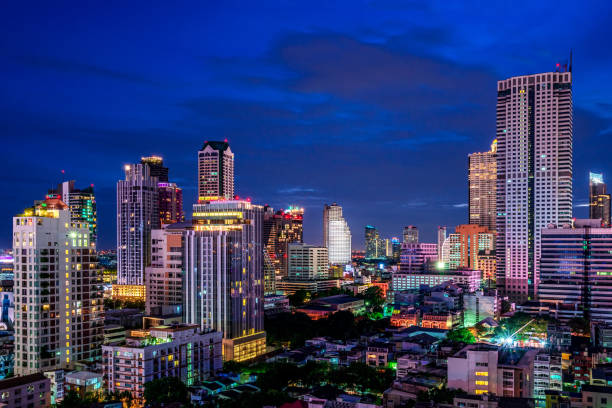
For most travellers, Nairobi and Mombasa are the main entry points into Kenya. It’s common — and often practical — to spend one night in either city before continuing onward to safari regions by road, air, or rail.
These short city stays are usually about logistics rather than sightseeing: recovering from international flights, positioning for early departures, and keeping onward travel days realistic and unrushed.
Nairobi: Where Most Travellers Arrive
Nairobi is Kenya’s primary transport hub and the starting point for most safaris. Popular areas to stay are chosen based on proximity to onward travel routes rather than tourist attractions.
- Karen: A quieter, greener part of the city with boutique hotels and lodges, well suited for travellers easing into or out of safari. Close to Nairobi National Park.
- Westlands: Central and lively, with a wide range of mid-range and international hotels, restaurants, and shopping. Convenient for short overnight stays.
- Gigiri: A secure, low-key area near embassies and international organisations, offering comfortable upper-end accommodation.
- Near Wilson Airport: Ideal for travellers with early morning domestic flights to safari regions such as Amboseli, helping avoid unnecessary city transfers.
Mombasa: Relax at the Beach After Your Safari
Mombasa is commonly used by travellers combining safari with time on Kenya’s coast. Many itineraries include a night or two near arrival or departure, depending on flight times and whether travel continues inland by road, air, or train.
- North Coast (Nyali & Bamburi): Well-developed areas with a wide choice of hotels and resorts, close to the city and Moi International Airport.
- South Coast (Diani Beach): A more relaxed, resort-style destination often used after a safari. Requires a short domestic flight or ferry connection.
- Near Moi International Airport: Practical for late arrivals, early departures, or short stopovers when beach time is limited.
When choosing city accommodation, prioritize location and transfer time over amenities. Safari days start early, and reducing unnecessary city travel helps keep itineraries comfortable.
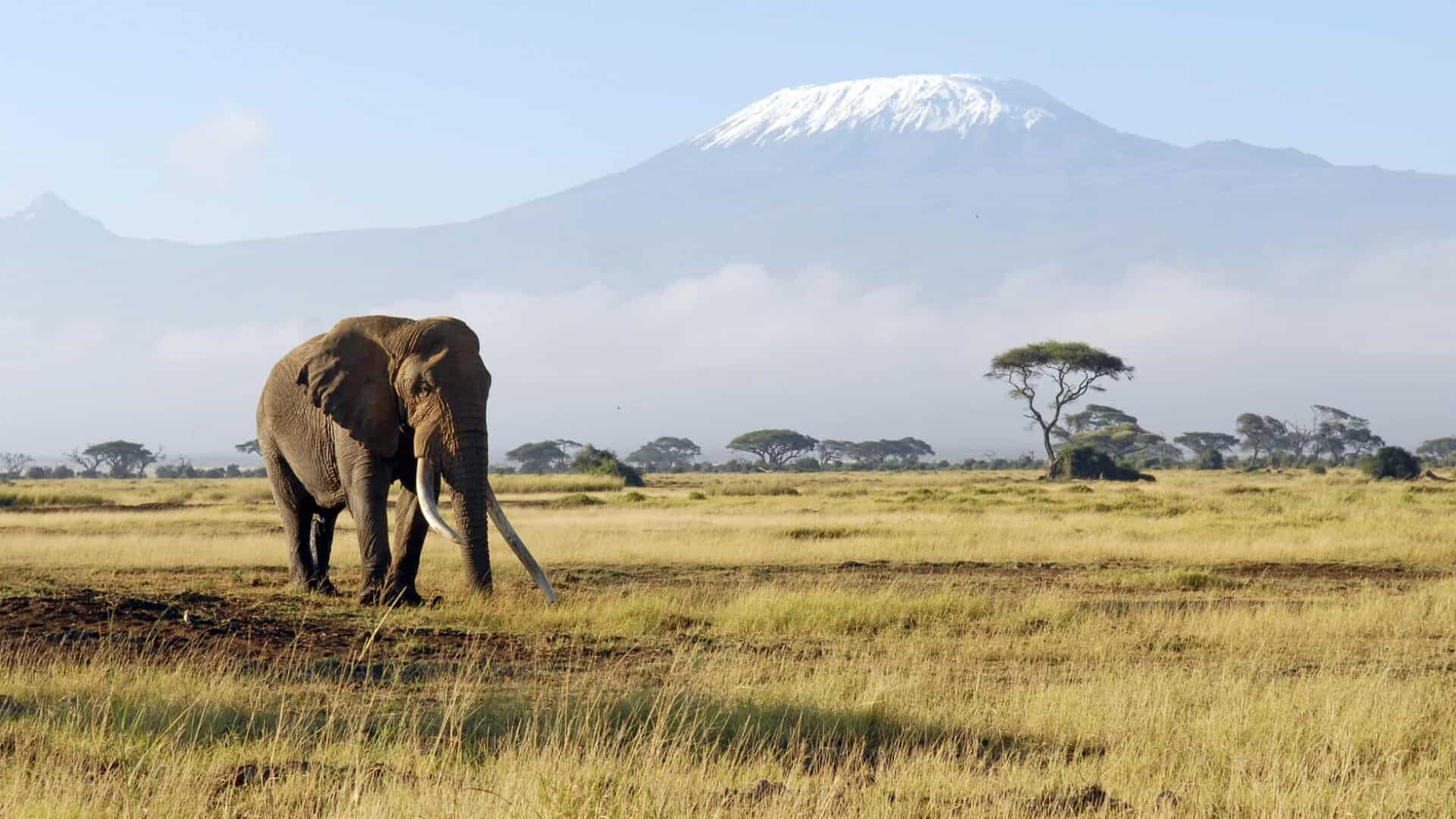
Kenya safari planning is easier when you decide how you will move before you choose a region. Eastern Kenya (including Amboseli) offers more transport combinations — especially for travellers arriving through Nairobi (NBO) or the coast via Mombasa (MBA). Western Kenya (including the Maasai Mara) is rewarding but often involves longer distances and fewer practical transport options.
Eastern Kenya: Amboseli and the Nairobi–SGR–Coast Corridor
If your itinerary combines beach, Mount Kilimanjaro views, and a high-quality safari, eastern routes often feel more realistic on the ground. Travellers can reach the Amboseli region by air, road, or a comfortable rail + road combination.
By road
Road travel works well for self-planners using a 4×4 safari vehicle or private transfer. It also keeps your schedule flexible and can suit travellers starting in Nairobi or travelling inland from the coast.
By air
Flights from Wilson Airport (WIL) connect Nairobi to airstrips in the Amboseli ecosystem. This is the fastest option when time is limited.
Commonly used safari airlines include:
- SafariLink – https://www.flysafarilink.com
- AirKenya – https://airkenya.com
By rail + road: Madaraka Express (SGR) to Emali
The Standard Gauge Railway (SGR), also known as the Madaraka Express, connects Nairobi and Mombasa. For many self-planners, using the SGR for part of the journey can reduce fatigue and make travel days more comfortable — especially when travelling inland from the coast.
Madaraka Express (SGR) tickets →
Ground transfers (Emali SGR → Amboseli)
From Emali, travellers continue by road to Amboseli using a private transfer or safari vehicle. If you plan to combine rail travel with safari logistics, it’s best to arrange this transfer in advance — either through a ground operator or by asking your lodge or camp to organize pick-up from Emali SGR. Pre-arranged transfers help keep timing predictable and avoid unnecessary waiting at the station.
Ground Transport Services (Emali SGR – Amboseli):
- Kenya Balloon Safaris. Private safari vehicles and ground transfers can be arranged to meet you at Emali SGR and continue into Amboseli. kenyaballoonsafaris.com
- Your lodge or camp. Many lodges can also arrange safari vehicles or private transfers to meet you at Emali SGR, particularly if you are staying inside a conservancy.
Western Kenya: Maasai Mara and the Great Migration season
The Maasai Mara is a classic safari destination, especially during the Great Migration. However, the migration is a short seasonal window, and for many travellers it requires more time and a tighter plan because distances are longer and transport options are typically more limited.
Most travellers use flights or long road drives
Mara itineraries are commonly built around either domestic flights from Nairobi (usually via Wilson Airport) or longer road journeys by safari vehicle. Compared with eastern routes, there is no common “rail + short transfer” equivalent — so pacing and transfer time matter more.
Practical rule of thumb: if you want the Mara, plan extra time so it feels relaxed — not rushed.
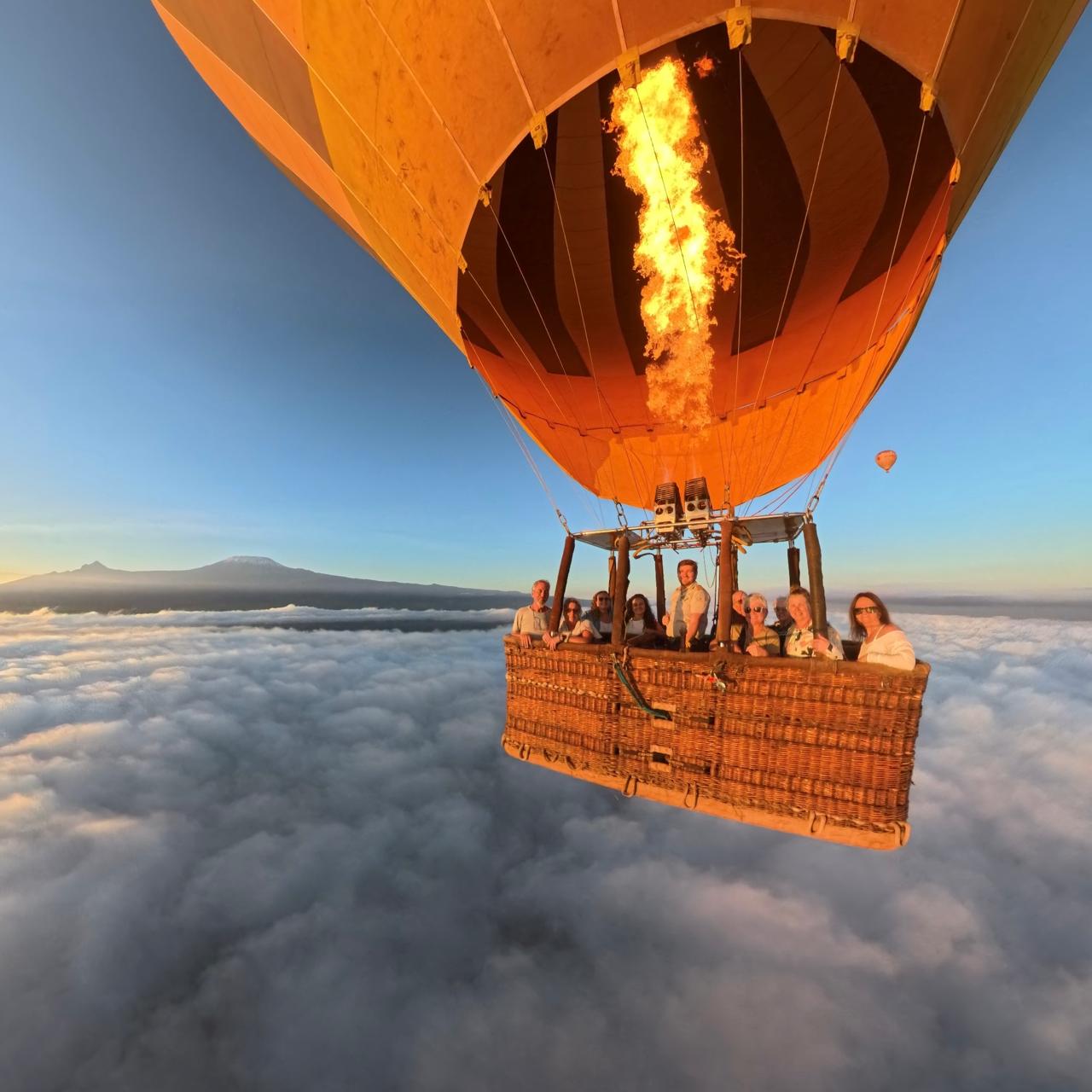
Once your route and transport are clear, activities can be layered into your safari plan. Amboseli and the Maasai Mara both offer classic safari experiences, but they differ in seasonality, scale, and travel logistics.
Amboseli National Park & Kilimanjaro Views
Hot air balloon safaris in Amboseli
Balloon safaris in Amboseli operate in a quieter, more open landscape with year-round wildlife and iconic views of Mount Kilimanjaro. Flights are not migration-dependent, making Amboseli a consistent option throughout the year.
- Kenya Balloon Safaris – https://www.kenyaballoonsafaris.com/
- Kilimanjaro Balloon Safaris – https://kilimanjaroballoonsafaris.com/
Game drives
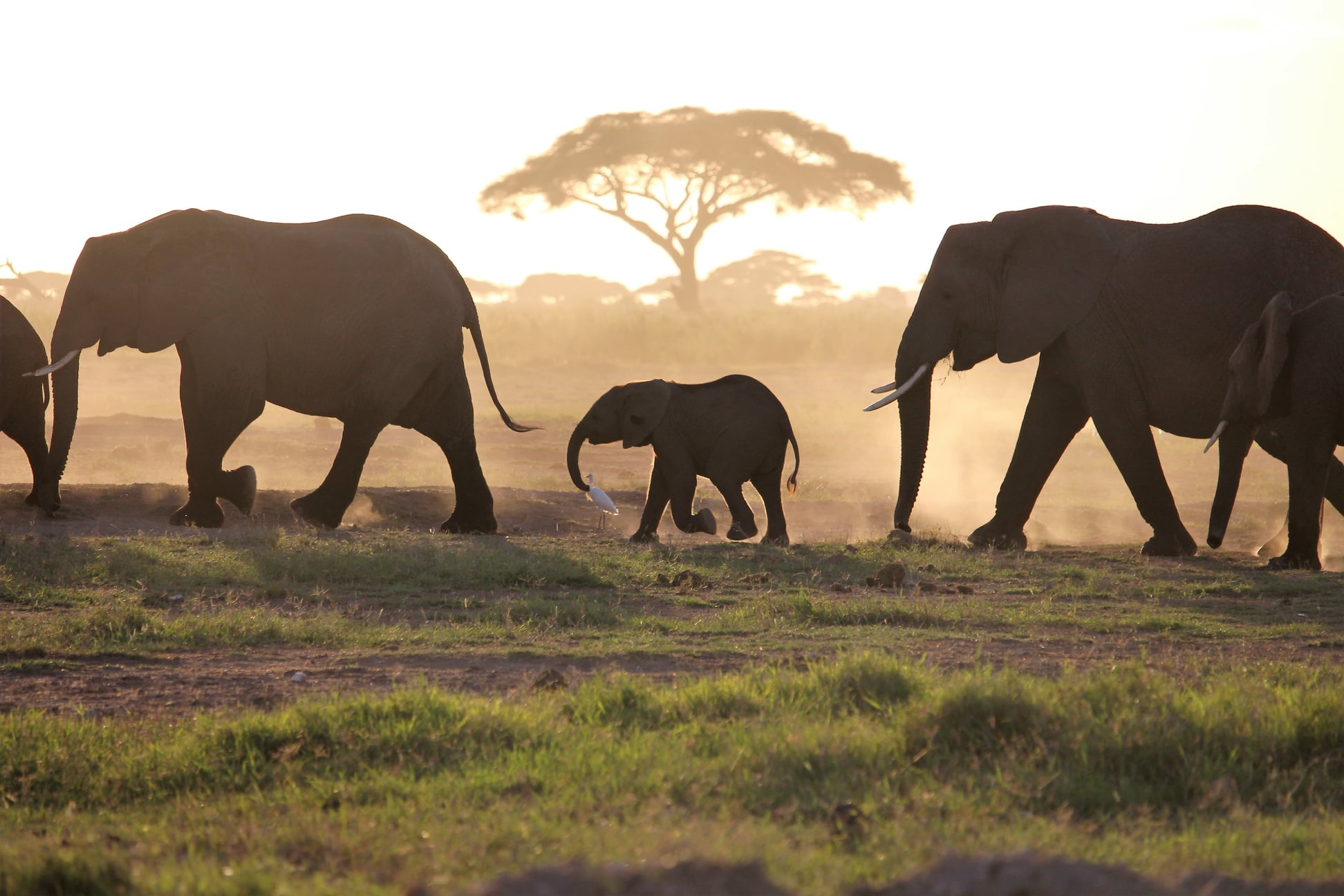
Amboseli is known for large elephant herds, open plains, and mountain backdrops. Game drives operate year-round and are less affected by peak-season crowding than some western parks.
Cultural visits
Cultural visits around Amboseli often involve nearby Maasai communities and conservancies, offering insight into local life alongside wildlife conservation.
Birdwatching
Seasonal wetlands and permanent swamps make Amboseli one of Kenya’s more rewarding areas for birdwatching, particularly during migratory periods.
Maasai Mara National Reserve
Hot air balloon safaris in the Maasai Mara
The Maasai Mara is best known for balloon safaris during the Great Migration season, which occurs for a limited period each year (Aug-Sept). Travel to the Mara typically involves longer distances and relies on flights or extended road transfers.
- Adventures Aloft Balloon Safaris – https://aaballoonsafaris.com/
- Balloon Safaris Ltd – https://www.balloonsafariskenya.com
- Governors' Balloon Safaris – https://www.governorsballoonsafaris.com
- Maasai Mara Balloons (MGM) – https://www.masaimaraballoons.com/
- Mara Ballooning (Hot Air Safaris) – https://www.maraballooning.com/
- Skyship Hot Air Balloons – https://www.skyshipballoonsafaris.com
- Transworld Balloon Safaris – http://www.transworldsafaris.com/ballooning.php
Game drives
Game drives in the Mara focus heavily on migration-related wildlife movements during peak months (Aug-Sept), with higher vehicle density during that period.
Cultural visits
Cultural experiences in the Mara region typically involve visits to Maasai communities near the reserve and conservancies.
Final Tips Before You Lock In Your Itinerary
A few last checks that can make the difference between a smooth safari and unnecessary stress.